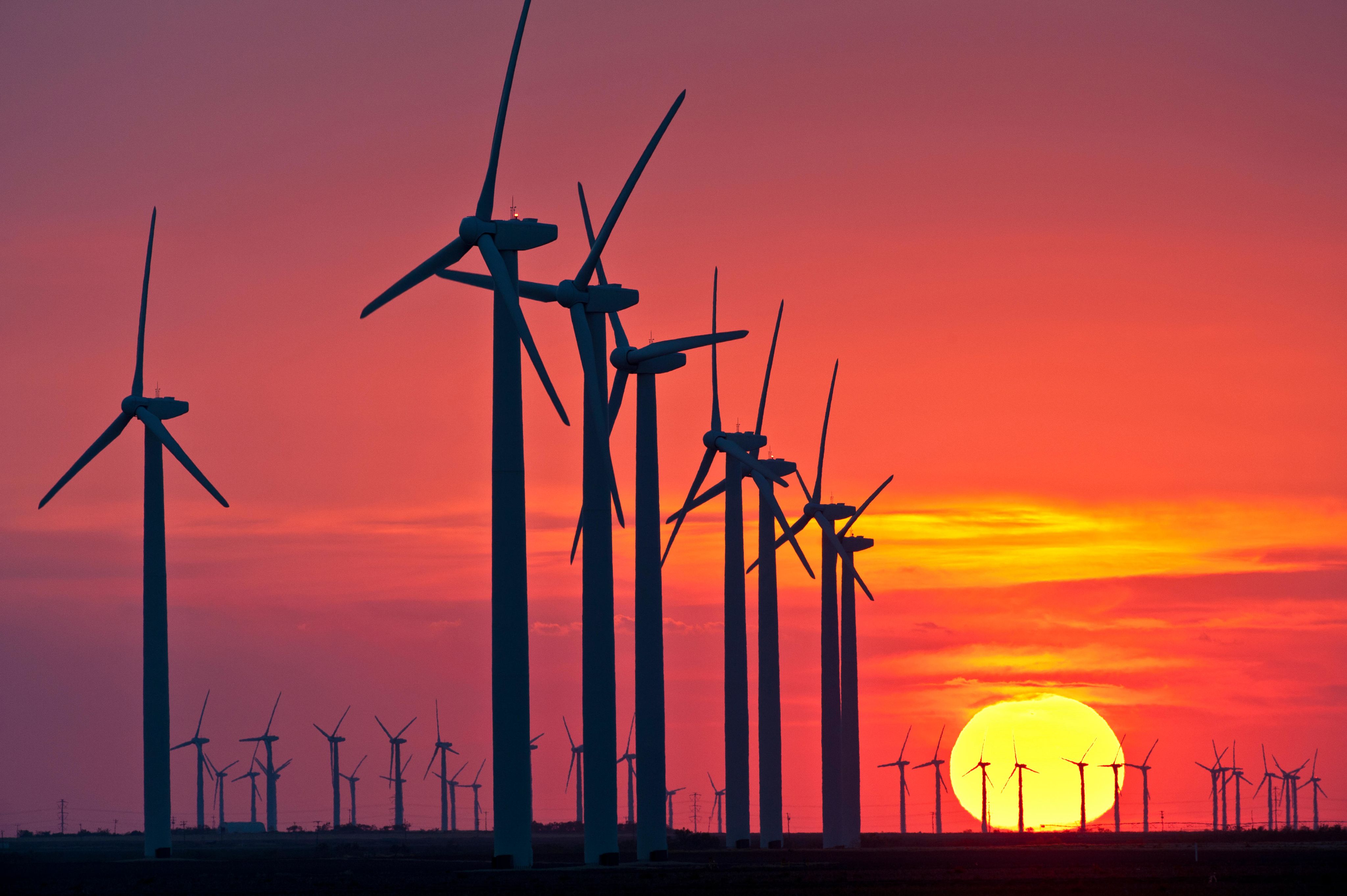
I have always loved wind turbines. The reason for this is simple: I think they are pretty. Ever since I was young, I’ve found them fascinating: tall, sleek structures harnessing the power of the wind to create energy. Imagine my surprise, during my time in Martha's Vineyard this summer, when I saw in the distance what looked like many wind turbines in the middle of the ocean. I was taken aback. Were there really wind turbines out there? I found a pair of binoculars and focused in, adjusting the lens to get a better view. Sure enough, massive turbines were rising out of the water, right in the middle of the ocean!
I soon learned that these were part of the Vineyard Wind project, an offshore wind farm 14 miles off the coast of Martha's Vineyard that was set to be one of the first of its kind in the U.S. The plan is to build a total of 62 turbines, which will cost $4 billion, but right now, there are only 5. These 5 turbines alone generate 68 megawatts of power, enough to supply energy for 30,000 homes in Massachusetts. Eventually, the full 806-megawatt project will generate electricity for over 400,000 homes. The project is a significant step forward towards Massachusetts’ clean energy transition and is expected to reduce carbon emissions, create thousands of jobs, and lower energy costs for consumers. However, this project is not without a fair bit of controversy. Vineyard Wind faces numerous consequences due to growing opposition and unforeseen challenges. If the project falters, it could delay the U.S. transition to clean energy, further derailing efforts to meet Biden's ambitious offshore wind targets. These goals include deploying 30 gigawatts of offshore wind energy by 2030, creating 77,000 jobs, and powering 10 million homes while ensuring clean air.
Several lawsuits have occurred, ranging from fishermens concerns that the turbines might interfere with their fishing to residents claiming that the project could endanger species like the North Atlantic right whale. Fossil fuel companies would benefit from delays to the vineyard wind programs, allowing them to maintain dominance over the energy market while further polarizing climate policy discussions. Economic factors such as inflation exacerbate challenges during construction, putting the financial viability of Vineyard Wind and similar projects at risk.
These concerns have been further heightened. In July, a large section of one of the wind turbine blades from the offshore farm fell into the ocean. Vineyard Wind stated that the blade had broken off earlier in the week, scattering fiberglass debris into the water. Cleanup crews were able to recover significant debris and beach patrols monitored the southern shores of Nantucket for more pieces of the blade. While the debris was nontoxic, residents in the areas were told to avoid handling the materials themselves. Critics worry about how the debris could affect marine life, including fish, seabirds, and sensitive habitats. The incident temporarily suspended further operations on the wind farm.
Despite the challenges and setbacks, the vision for Vineyard Wind remains a positive step forward in the fight for a cleaner, more sustainable future. The project’s developers continue to learn from the challenges they have faced, making improvements that will strengthen the long-term viability of offshore wind farms. The potential of Vineyard Wind far outweighs the public’s concerns for the farm, as it remains poised to become a key source of renewable energy for the area.
- Arden Glick '26